Start with a real document
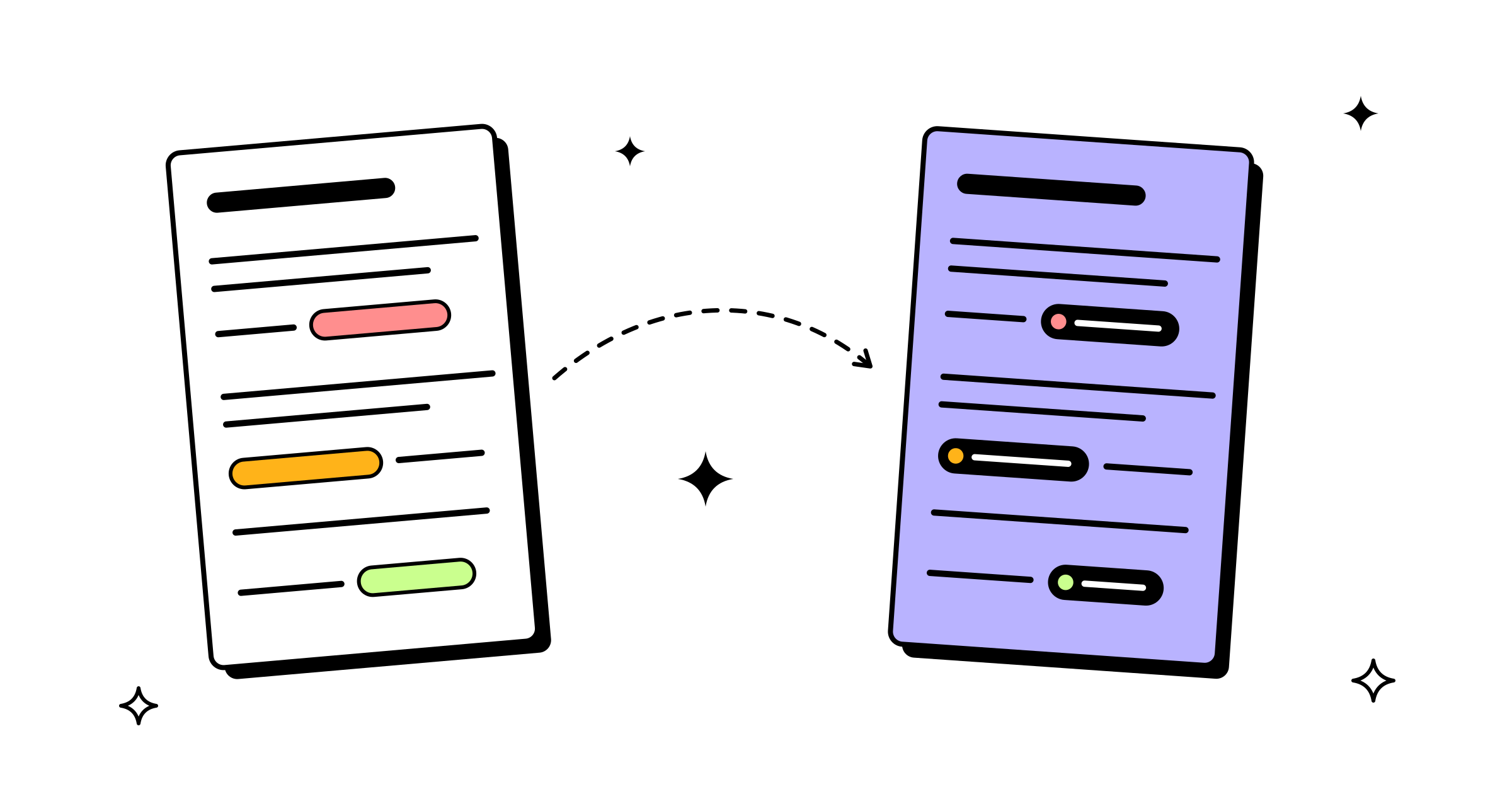
The fastest way to a good template is to write the finished document first, with realistic sample content, and only then swap the parts that vary for placeholders. When you see a complete example, it's obvious which words change from one client to the next.
Name the template after what it produces, not after the process: Client contract (services) beats Template 3 every time.
What the editor gives you
Everything you type is the template's static text, the part that appears identically in every generated document. The toolbar covers what business documents need: headings and text sizes, bold, italic and underline, alignment, numbered and bulleted lists, tables, columns and images such as logos and signatures.
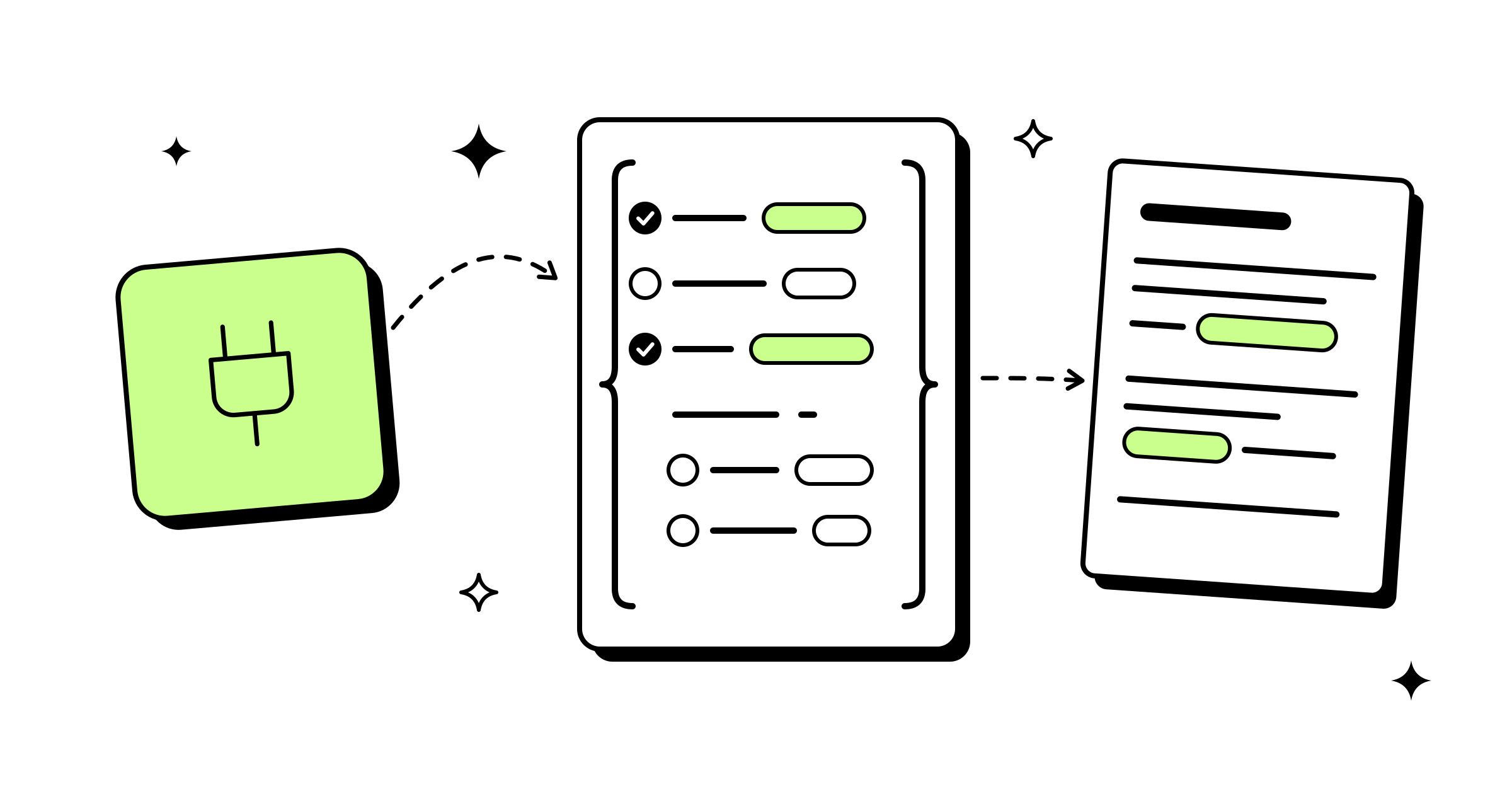
Choosing a source for each placeholder
Every placeholder takes its value from one source. Which one decides how many documents a generation produces:
| Source | Where the value comes from | Values per generation | Starts a batch? |
|---|---|---|---|
| Form | Typed or picked in the Generation form | One | No |
| Dataset | A cell, or a whole column, of a Dataset | One for a cell, one per row for a column | Yes, for a column |
| Integration | An external API, through its HTTP parameters | One per selected preset | Yes, for several presets |
Naming discipline
Placeholder names show up in the editor and, through their question, in the Generation form. Name them so that someone generating documents at 6 p.m. on a Friday doesn't have to guess: Invoice due date, not date2.
Set a default save path
Batch generation can produce dozens of documents in one click. Open the template's settings and pick a folder from your Documents tree, and every document generated from it files itself there. One folder per template, named after the output, is boring and effective: the Invoices template saves into Documents / Invoices.
Give the AI a brief
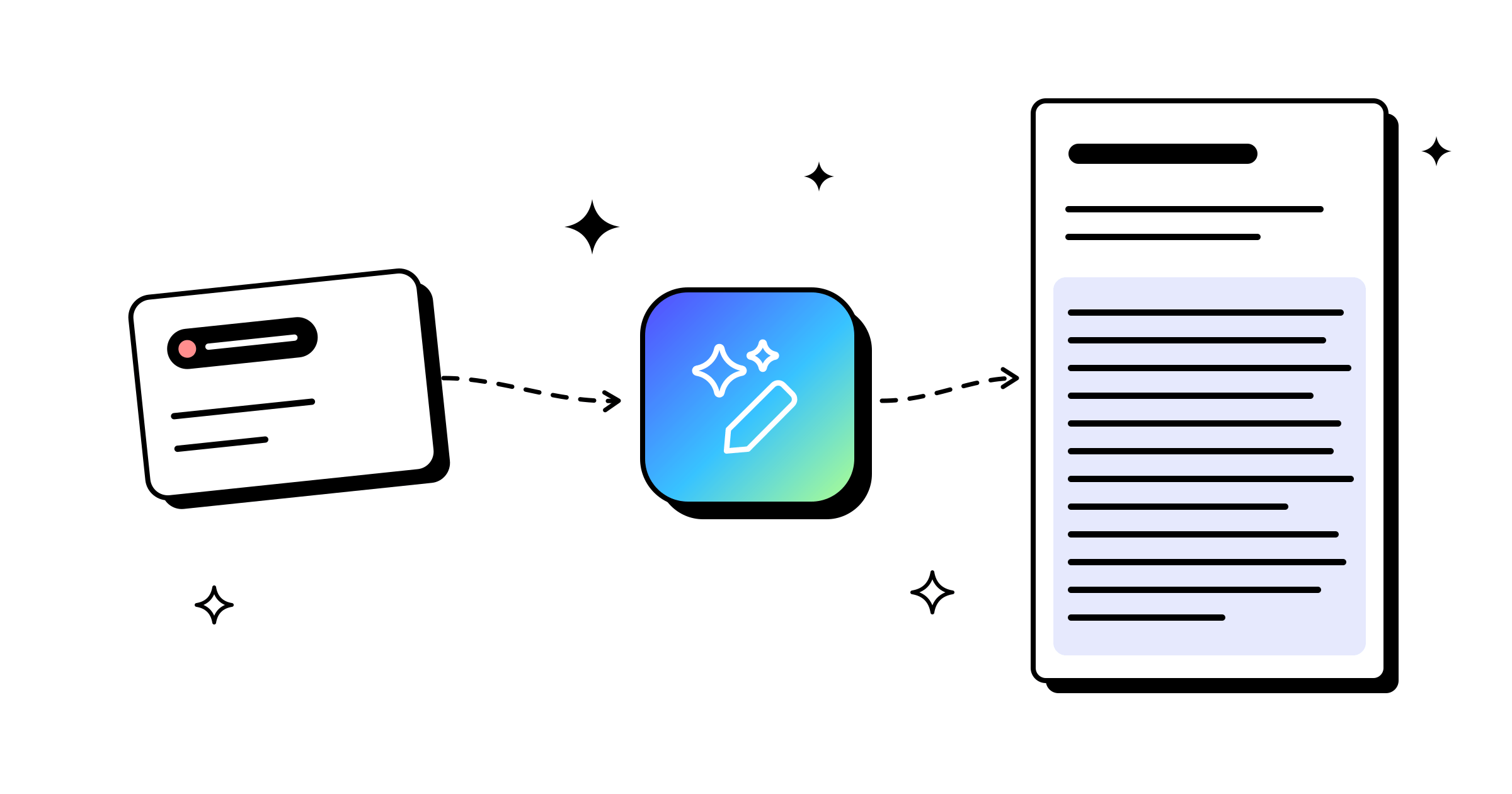
The AI context is a template-level instruction that every AI generation in the template receives, from Magic Writer and from every AI handler. It isn't a data source: it doesn't fill placeholders. It shapes how the AI writes whenever it's asked to.
Treat it like a briefing for a new copywriter. Here is one for a services contract:
You are drafting clauses for a B2B services agreement in a formal,
conservative legal register. Use the defined terms "the Client",
"the Contractor" and "the Services" consistently. Prefer precise,
unambiguous phrasing over elegance. Never invent numbers, dates or
party names: those come from placeholders.
Note the last line. Facts the AI must never invent belong in the AI context as prohibitions, while the real facts arrive through placeholders. That split is the best defence against AI improvisation in serious documents.
Keep it short
A few paragraphs at most. The AI context is a compass, not an encyclopedia, and an overly long one dilutes itself. Generate, read, tighten, regenerate: two rounds usually converge.
A checklist before you share a template
- The full document reads well with sample content
- Every varying part is a placeholder with a clear name and question
- The default save path points at the right folder
- The AI context lists the facts AI must never invent
- A test generation has been read from start to finish